


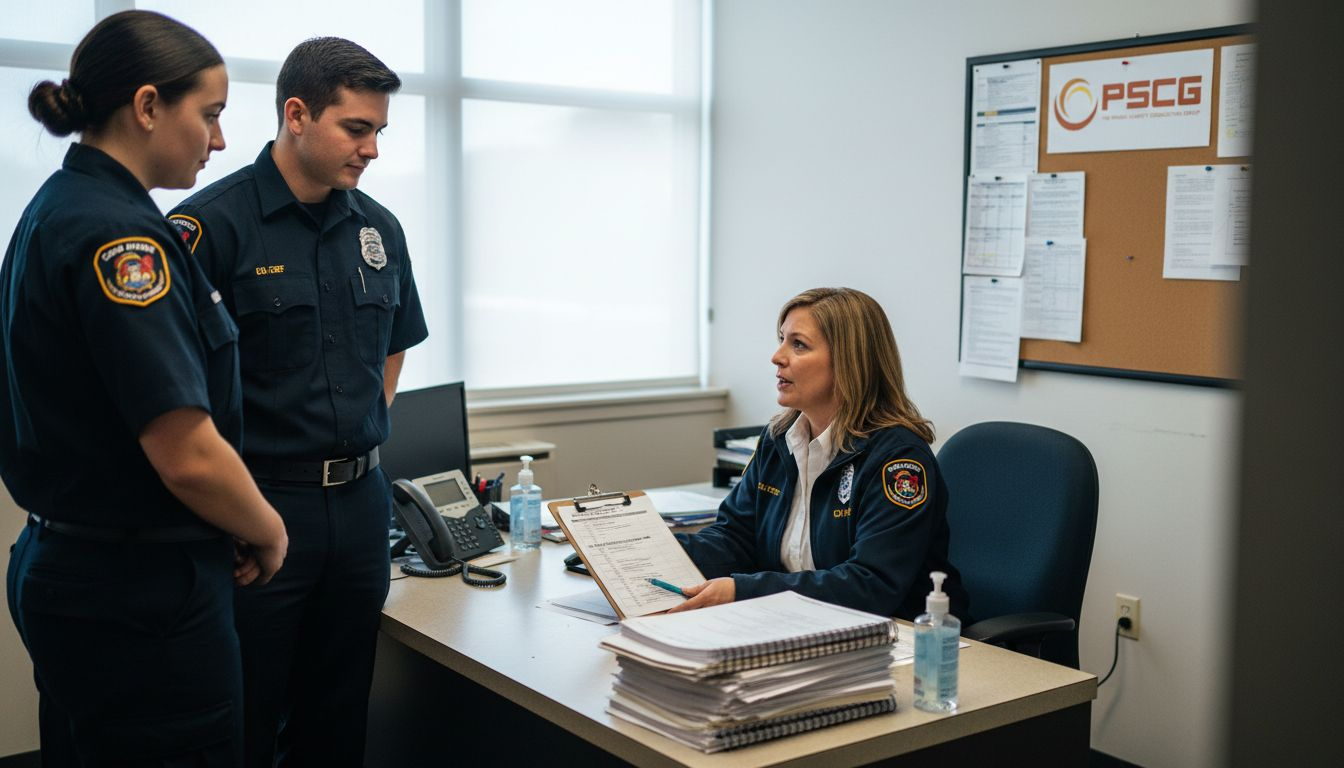
Responding to medical emergencies takes more than technical skill. As an EMS leader, you face tough moments where split-second decisions shape outcomes for both your team and the community. Staying confident under pressure is only possible when you have solid strategies to guide your actions.
The right leadership practices can help you increase team trust, communicate more effectively in crisis, and keep your organization performing at its best—even in unpredictable situations. In the sections ahead, you will uncover powerful, research-backed approaches that set top EMS leaders apart. Get ready to discover practical ideas you can use immediately to lead your team with clarity and purpose.
Table of Contents
- 1. Prioritize Clear Communication In Crisis Situations
- 2. Build Trust And Accountability Within Your Team
- 3. Embrace Data-Driven Decision Making
- 4. Promote Ongoing Leadership Training And Education
- 5. Foster Collaboration With Community Stakeholders
- 6. Prepare For Adaptive Response To Emerging Threats
- 7. Enhance Staff Wellness And Risk Reduction Strategies
Quick Summary
| Takeaway | Explanation |
|---|---|
| 1. Prioritize clear communication during crises | Effective communication is crucial in emergencies for trust and organizational stability. Leaders must prepare in advance for high-stress scenarios. |
| 2. Build trust through accountability | Establish clear performance expectations and empower team members. Create open dialogue environments that enhance team trust and collaboration. |
| 3. Implement data-driven decision making | Leverage data as a strategic asset to inform decisions and improve patient outcomes. Train teams to interpret data and use analytics effectively. |
| 4. Support continuous leadership training | Ongoing professional development is vital for adapting to changes. Invest in personalized plans and mentorship to strengthen leadership capabilities. |
| 5. Foster community collaboration | Engage with community stakeholders to enhance emergency response. Build genuine relationships and create platforms for collaborative problem-solving. |
1. Prioritize Clear Communication in Crisis Situations
Effective crisis communication can mean the difference between chaos and controlled response in emergency medical services. For EMS leaders, mastering communication during high-stakes situations is not just a skill—it’s a critical leadership responsibility.
In 2024, crisis communication demands more than traditional approaches. Crisis communication best practices now emphasize proactive preparation, technological adaptability, and genuine human connection. Leaders must communicate with precision and empathy while maintaining organizational stability.
Key strategies for effective crisis communication include:
- Deliver essential information quickly
- Maintain complete transparency about known and unknown factors
- Use multiple communication platforms
- Provide clear guidance about current organizational status
- Address potential uncertainties directly
Clear communication builds trust. Trust builds resilience.
Successful crisis communication requires preparation. This means developing comprehensive communication protocols before emergencies occur and training team members on communication standards. Practice scenario-based communication exercises that simulate high-stress environments to build muscle memory for clear messaging.
Comprehensive crisis communication planning involves anticipating potential scenarios and creating response templates. By establishing communication frameworks in advance, EMS leaders can respond swiftly and confidently during actual emergencies.
Pro tip: Develop a one-page crisis communication quick reference guide that outlines communication protocols and can be instantly accessed during high-stress situations.
2. Build Trust and Accountability Within Your Team
Trust and accountability are the foundational pillars of exceptional emergency medical service leadership. Strong teams are built not just through technical skills but through intentional relationship development and clear performance expectations.
Creating a culture of accountability requires leaders to address performance and behavioral issues directly and consistently. This approach prevents disengagement and sustains high-performing team dynamics.
Key strategies for building trust and accountability include:
- Establish clear performance expectations
- Communicate transparently about team goals
- Provide constructive feedback regularly
- Create safe spaces for open dialogue
- Recognize and reward consistent performance
Trust is earned through consistent actions, not occasional grand gestures.
Successful leaders understand that building organizational trust requires creating environments where team members feel psychologically safe. This means developing communication channels that encourage honest feedback and demonstrating genuine respect for each team member’s perspective.
Accountability goes beyond monitoring performance. It involves empowering team members to take ownership of their responsibilities and supporting their professional growth. By setting clear expectations and providing consistent support, EMS leaders can transform accountability from a punitive concept to a collaborative development opportunity.
Pro tip: Implement quarterly one-on-one performance conversations that focus on growth, not just evaluation, to strengthen team trust and individual professional development.
3. Embrace Data-Driven Decision Making
In emergency medical services leadership, intuition alone is no longer enough. Modern EMS leaders must leverage data as a strategic asset to drive organizational performance and improve patient outcomes.
Building a data-driven culture requires more than collecting numbers—it demands a fundamental shift in organizational thinking and leadership approach. Data-driven decision making transforms raw information into actionable insights that can save lives and optimize resources.
Key strategies for implementing data-driven leadership include:
- Invest in robust data collection technologies
- Train team members in data interpretation
- Develop clear metrics for performance evaluation
- Create dashboards that highlight critical operational insights
- Regularly review and analyze organizational performance data
Numbers tell stories. Great leaders learn to read them.
Successful data integration involves breaking down traditional silos and creating collaborative data ecosystems. This means ensuring that data insights are accessible across different departments and team levels. By democratizing data access and interpretation, EMS leaders can empower their entire organization to make more informed decisions.
Understanding data goes beyond technical skills. It requires cultivating a mindset that views data as a powerful tool for continuous improvement. Leaders must champion a culture where data insights are valued and used to drive strategic planning and operational excellence.
Pro tip: Schedule monthly data review sessions where team members present key performance insights and collaborative improvement strategies.
4. Promote Ongoing Leadership Training and Education
Leadership in emergency medical services is not a destination—it is a continuous journey of growth and adaptation. Ongoing professional development is the cornerstone of exceptional EMS leadership that can navigate complex and evolving healthcare environments.
Professional development programs like the EMS Management Institute Certificate offer targeted pathways for leaders seeking to enhance their skills in critical areas such as technology integration, diversity management, and employee retention.
Key strategies for promoting continuous leadership education include:
- Allocate dedicated training budgets
- Create personalized professional development plans
- Encourage cross-departmental learning opportunities
- Support advanced certification programs
- Implement mentorship and coaching initiatives
Learning is the leadership multiplier. Growth compounds leadership effectiveness.
Successful leaders recognize that education extends beyond formal coursework. It involves cultivating a mindset of continuous improvement where every experience becomes an opportunity for professional development. This means actively seeking feedback challenging assumptions and remaining curious about emerging trends in emergency medical services.
Organizations that prioritize leadership education create resilient teams capable of adapting to rapidly changing healthcare landscapes. By investing in your team’s professional growth you are building organizational capacity and preparing for future challenges.
Pro tip: Schedule quarterly personal development reviews where each team member articulates their professional growth goals and receives support in achieving them.
5. Foster Collaboration with Community Stakeholders
Successful public safety leadership extends far beyond organizational boundaries. Effective community collaboration transforms emergency medical services from reactive responders to proactive community partners.
Stakeholder collaboration requires intentional strategies that build trust and integrate diverse perspectives across different community organizations. This approach ensures more responsive and comprehensive emergency services.
Key strategies for building community partnerships include:
- Create formal stakeholder engagement committees
- Develop transparent decision-making processes
- Host regular community listening sessions
- Invite diverse community representation
- Establish clear communication channels
Trust is built through consistent dialogue and genuine engagement.
Community engagement empowers citizens by providing meaningful opportunities to contribute to public safety solutions. By integrating local knowledge and perspectives EMS leaders can develop more targeted and effective emergency response strategies.
Successful collaboration requires moving beyond transactional interactions to building genuine relationships. This means creating platforms where community members feel heard respected and actively involved in shaping public safety approaches.
Pro tip: Schedule quarterly community roundtables where local stakeholders can provide direct feedback and participate in collaborative problem-solving discussions.
6. Prepare for Adaptive Response to Emerging Threats
In the rapidly changing landscape of emergency medical services, strategic resilience is no longer optional—it is essential for survival. EMS leaders must develop organizational agility that anticipates and responds effectively to unpredictable challenges.
Leadership during uncertain times demands a proactive approach to threat management that goes beyond traditional reactive strategies. This means building organizational flexibility into every aspect of emergency response planning.
Key strategies for adaptive threat response include:
- Develop comprehensive scenario planning frameworks
- Create flexible resource allocation systems
- Establish cross-training programs
- Implement rapid communication protocols
- Invest in continuous learning and skill development
Adaptability is the ultimate competitive advantage in crisis management.
Successful organizations recognize that emerging threats require more than technical preparedness. They demand a cultural mindset of continuous learning experimentation and rapid iteration. This means creating environments where team members feel empowered to identify potential risks and propose innovative solutions.
Effective adaptive response requires breaking down traditional organizational silos. Leaders must foster collaboration across departments encourage creative problem solving and maintain a forward looking perspective that anticipates potential disruptions before they occur.
Pro tip: Conduct quarterly scenario planning workshops that simulate emerging threats and challenge your team to develop innovative response strategies.
7. Enhance Staff Wellness and Risk Reduction Strategies
EMS professionals face uniquely demanding work environments that can rapidly deplete physical and emotional resources. Proactive wellness strategies are not just supportive measures—they are critical investments in organizational resilience and individual sustainability.
Comprehensive staff wellness requires a holistic approach that addresses multiple dimensions of professional health. Leaders must create integrated support systems that recognize the complex challenges emergency medical service professionals encounter daily.
Key strategies for staff wellness and risk reduction include:
- Implement comprehensive mental health support programs
- Develop stress management training modules
- Create peer support network systems
- Establish regular physical health screenings
- Design flexible scheduling options
- Provide trauma recovery resources
Wellness is not a luxury. It is an operational necessity.
Successful risk reduction goes beyond traditional safety protocols. It requires building organizational cultures that normalize conversations about professional challenges and provide meaningful pathways for recovery and resilience.
Leaders must recognize that staff wellness directly correlates with service quality. When emergency medical professionals feel supported their ability to deliver exceptional care increases dramatically. This means investing in comprehensive support systems that address physical mental and emotional well being.
Pro tip: Conduct confidential quarterly wellness assessments that provide personalized recommendations and anonymous feedback mechanisms for continuous improvement.
Below is a comprehensive table summarizing the key management strategies for Emergency Medical Service (EMS) leaders highlighted throughout the article.
Strengthen Your EMS Leadership with Expert Support from PSCG
Navigating the challenges of public safety leadership means mastering clear communication, fostering trust, and embracing data-driven decisions. The article outlines vital pain points such as the need for crisis communication protocols, building accountability, and promoting staff wellness. These complex demands require more than good intentions—they call for strategic guidance tailored to EMS leaders striving for operational excellence and community impact.
The Public Safety Consulting Group specializes in helping EMS organizations turn these leadership challenges into strengths. With services in EMS system design, leadership development, and operational risk reduction, PSCG equips your team with proven strategies to build resilience and adaptability in the face of emerging threats.
Elevate your EMS leadership today by partnering with the PSCG consulting team. Explore tailored solutions designed to optimize your system’s performance and empower your leaders to act decisively. Don’t wait until the next crisis—take proactive steps now to transform your public safety leadership approach.
Frequently Asked Questions
How can EMS leaders improve crisis communication within their teams?
Effective crisis communication can be improved by prioritizing clear and timely messaging. Develop a one-page crisis communication quick reference guide that outlines essential protocols to ensure team members can access it during emergencies.
What strategies can promote trust and accountability in EMS teams?
To promote trust and accountability, establish clear performance expectations and maintain transparent communication about team goals. Schedule regular one-on-one conversations focused on professional growth to reinforce individual accountability and build a strong team dynamic.
How can data-driven decision making benefit EMS leaders?
Data-driven decision making allows EMS leaders to utilize actionable insights for enhancing performance and patient outcomes. Invest in data collection technologies and create dashboards to highlight critical operational metrics, enabling informed decisions within your organization.
What are effective ways to foster collaboration with community stakeholders?
Creating formal stakeholder engagement committees can enhance collaboration with community partners. Host regular community listening sessions to encourage feedback, allowing for improved emergency services tailored to local needs.
How can EMS leaders ensure staff wellness and risk reduction?
To ensure staff wellness and risk reduction, implement comprehensive mental health support programs alongside stress management training. Conduct quarterly wellness assessments to gather feedback and continually improve support systems for your staff’s physical and emotional health.
What is the significance of ongoing leadership training for EMS leaders?
Ongoing leadership training is crucial for adapting to the evolving healthcare environment in EMS. Allocate a training budget and encourage cross-departmental learning opportunities to enhance leadership effectiveness and prepare teams for future challenges.