


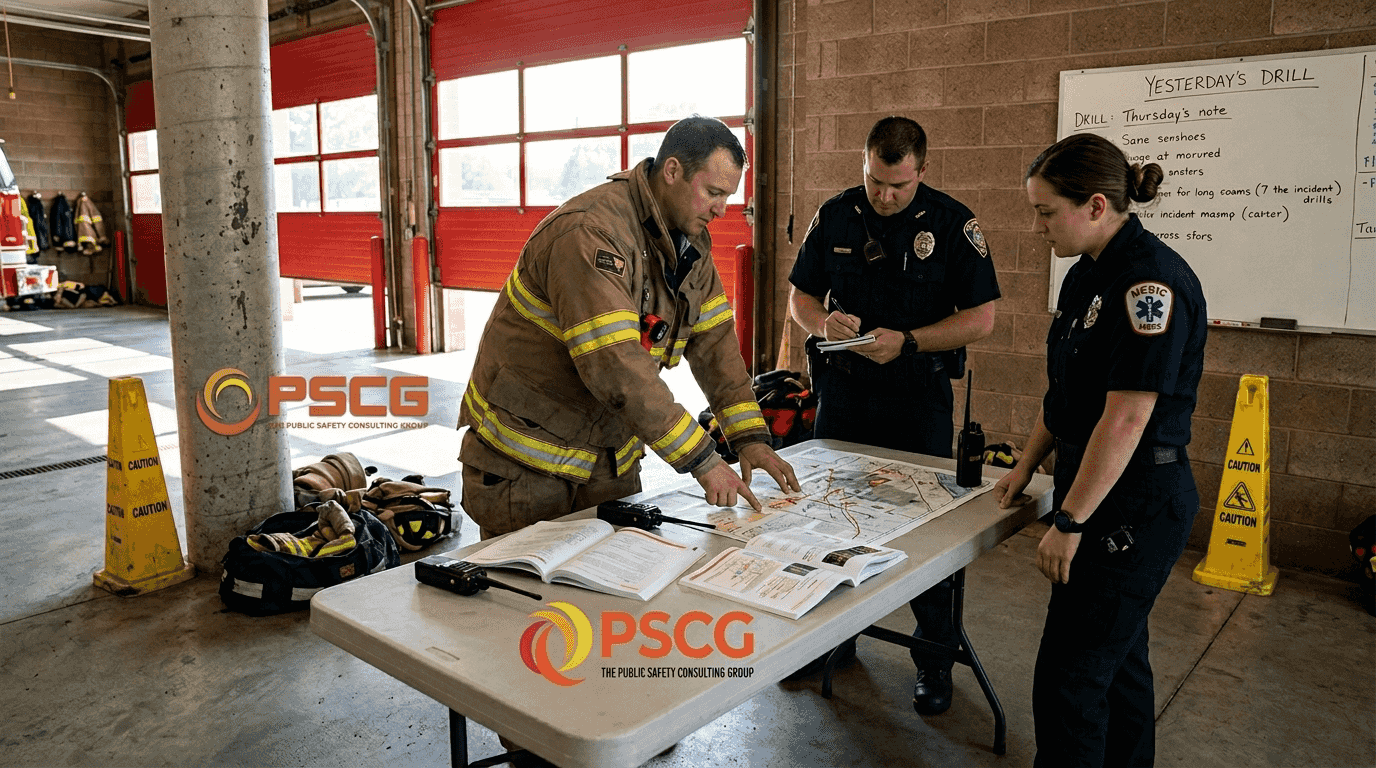
Many public safety leaders underestimate the profound impact training has on operational readiness and community safety. While training accidents grab headlines, 76% of U.S. military deaths from 2006 to 2021 occurred outside combat, revealing a critical safety imperative. Yet properly designed training programs dramatically reduce preventable errors, save lives, and build public trust. Effective training balances realism with safety, requiring leadership to champion comprehensive programs that prepare personnel for dynamic, high-stakes situations. This article explores how strategic training investment enhances operational readiness and strengthens the community safety net your agency protects.
Table of Contents
- The Critical Role Of Training In Public Safety Operations
- Leadership’s Imperative: Balancing Training Realism And Safety
- Key Components Of Effective Public Safety Training Programs
- Implementing And Sustaining Effective Training To Enhance Community Safety
- Enhance Your Public Safety Training Programs With Expert Consulting
- Frequently Asked Questions
Key takeaways
| Point | Details |
|---|---|
| Training balances realism and safety | Effective programs maximize preparedness while minimizing risks through calibrated leadership oversight. |
| Response times improve significantly | Comprehensive training reduces response times by 15-20% and increases successful incident resolutions. |
| Leadership drives training culture | Agency leaders set safety standards, champion continuous development, and model accountability. |
| De-escalation builds community trust | Specialized training in conflict resolution and implicit bias reduces complaints and use-of-force incidents. |
| Scenario-based exercises enhance skills | Realistic simulations improve decision-making, team cohesion, and adaptability under pressure. |
The critical role of training in public safety operations
Comprehensive training forms the backbone of operational readiness in public safety agencies. Without it, personnel face preventable errors that compromise both their safety and the communities they serve. Inadequate training contributed to over 30% of preventable errors in law enforcement and fire services, demonstrating how preparation gaps translate directly into operational failures. These errors range from mishandled evidence to delayed medical interventions, each carrying serious consequences.
The benefits of effective training extend far beyond error reduction. Response times decrease by 15-20% when agencies invest in rigorous training programs, and successful incident resolutions increase by 10-15%. These improvements save lives, protect property, and strengthen public confidence in emergency services. Faster response times mean cardiac arrest victims receive CPR sooner, fire suppression begins earlier, and violent incidents get de-escalated before escalation.
Training builds essential skills for managing dynamic, unpredictable incidents where split-second decisions determine outcomes. Public safety professionals must assess threats, coordinate multi-agency responses, apply technical skills under stress, and communicate effectively with distressed individuals. Each competency requires deliberate practice in realistic scenarios that mirror actual field conditions. Without this preparation, personnel default to instinct rather than proven protocols, increasing risk for everyone involved.
Neglecting training creates cascading risks that compromise agency effectiveness and community safety:
- Personnel lack current knowledge of evolving threats, technologies, and best practices
- Response coordination breaks down during multi-agency incidents requiring seamless collaboration
- Legal liability increases when actions fall below professional standards
- Public trust erodes following preventable mistakes or excessive force incidents
The public safety definition encompasses far more than emergency response. It includes prevention, preparedness, and continuous improvement. Training investment signals an agency’s commitment to excellence and accountability. Leaders who prioritize training demonstrate they value both their personnel and the communities relying on professional, competent service delivery.
“Training is not an expense. It’s an investment in operational readiness that pays dividends through improved outcomes, reduced liability, and enhanced community trust.”
Every dollar spent on training returns measurable value through fewer errors, faster responses, and stronger community relationships. The question isn’t whether agencies can afford comprehensive training but whether they can afford the consequences of inadequate preparation.
Leadership’s imperative: balancing training realism and safety
Leadership directly influences training safety and effectiveness through the standards they set and the culture they cultivate. Public safety training must replicate real-world conditions to build genuine competency, yet realism introduces inherent risks. 76% of U.S. military deaths from 2006 to 2021 were non-combat related, primarily from training accidents. This sobering statistic underscores why balancing realism with safety demands continuous leadership attention and professional judgment.
Effective leaders recognize that training safety isn’t about eliminating all risk but calibrating it appropriately. Live-fire exercises, high-speed driving courses, and tactical simulations carry inherent dangers that require rigorous safety protocols. Leaders must evaluate whether each training element’s benefits justify its risks, ensuring personnel gain essential skills without unnecessary exposure to harm. This calibration requires ongoing assessment, not one-time policy decisions.
Accident prevention depends on establishing clear safety goals and building a culture where everyone takes responsibility for safe training practices. Leaders set the tone by:
- Modeling safety-conscious behavior during training exercises and daily operations
- Allocating sufficient resources for proper equipment, qualified instructors, and safe training environments
- Encouraging personnel to speak up about safety concerns without fear of retaliation
- Conducting thorough after-action reviews that identify safety improvements alongside performance lessons
Pro Tip: Establish a safety officer role for all high-risk training exercises, empowered to pause or stop activities when conditions become unsafe, regardless of rank or position.
Building public safety leadership capacity requires developing judgment about when to push personnel beyond comfort zones and when to prioritize safety over realism. This balance shifts based on personnel experience, training objectives, and environmental conditions. New recruits need foundational skills before tackling high-risk scenarios, while veteran personnel benefit from challenging exercises that maintain edge and adaptability.
Leadership fosters continuous improvement by treating training as an evolving program rather than a static requirement. Regular evaluation of training outcomes, incident reviews, and emerging best practices inform program adjustments. Leaders who champion this adaptive approach create organizations that learn from experience and stay ahead of evolving threats. Public safety leadership tips emphasize accountability, where leaders own training outcomes and model the professional development they expect from their teams.
The most effective leaders view training safety as a professional obligation, not a bureaucratic constraint. They understand that well-trained personnel operating in safe training environments develop the confidence and competence needed for dangerous real-world situations. This perspective transforms training from a compliance exercise into a strategic advantage that enhances both operational readiness and organizational resilience.
Key components of effective public safety training programs
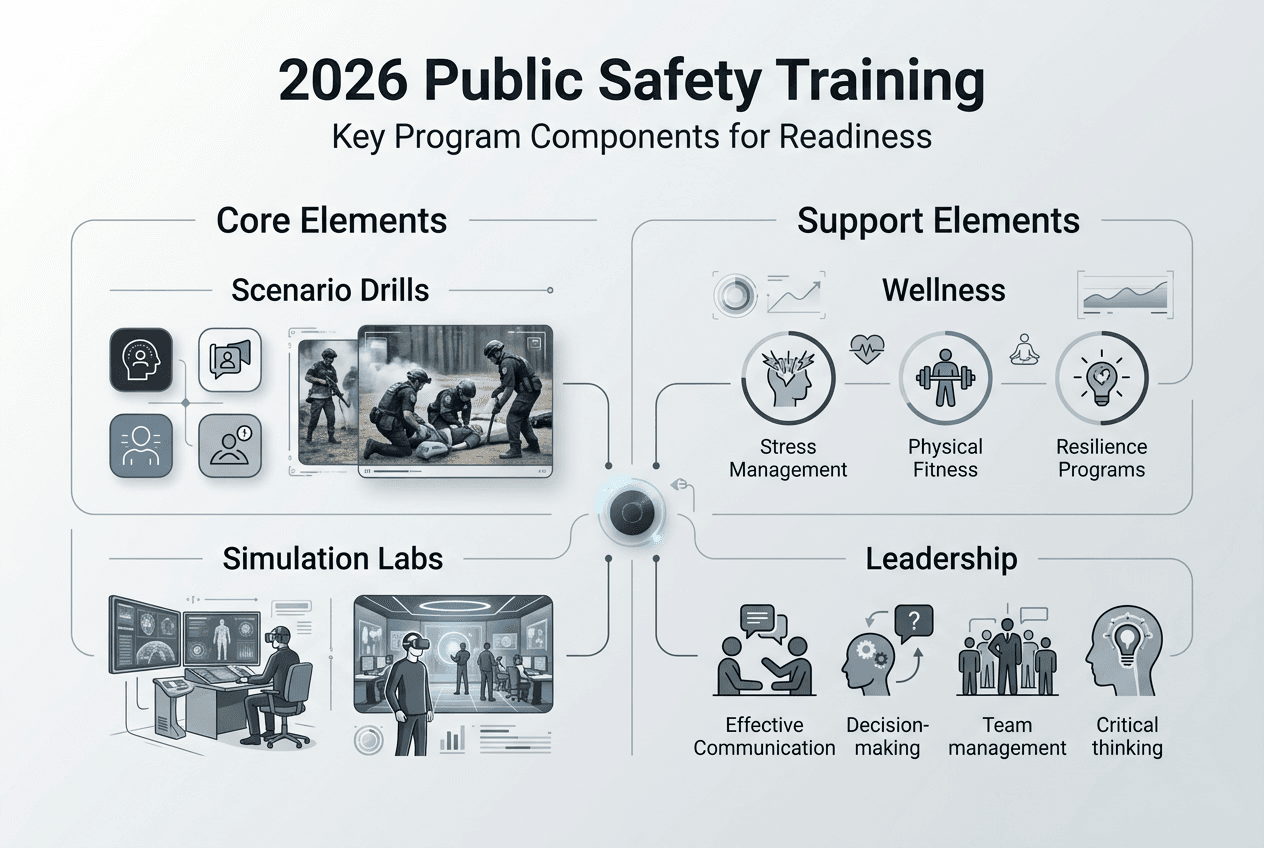
High-quality public safety training integrates multiple elements that together build comprehensive competency. Scenario-based training tops the list because it develops decision-making skills and team cohesion under realistic pressure. Unlike classroom lectures or isolated skill drills, scenarios require personnel to assess situations, apply protocols, coordinate with teammates, and adapt to changing conditions. Comprehensive training programs improve critical incident outcomes by 20-30%, demonstrating how realistic practice translates to better field performance.
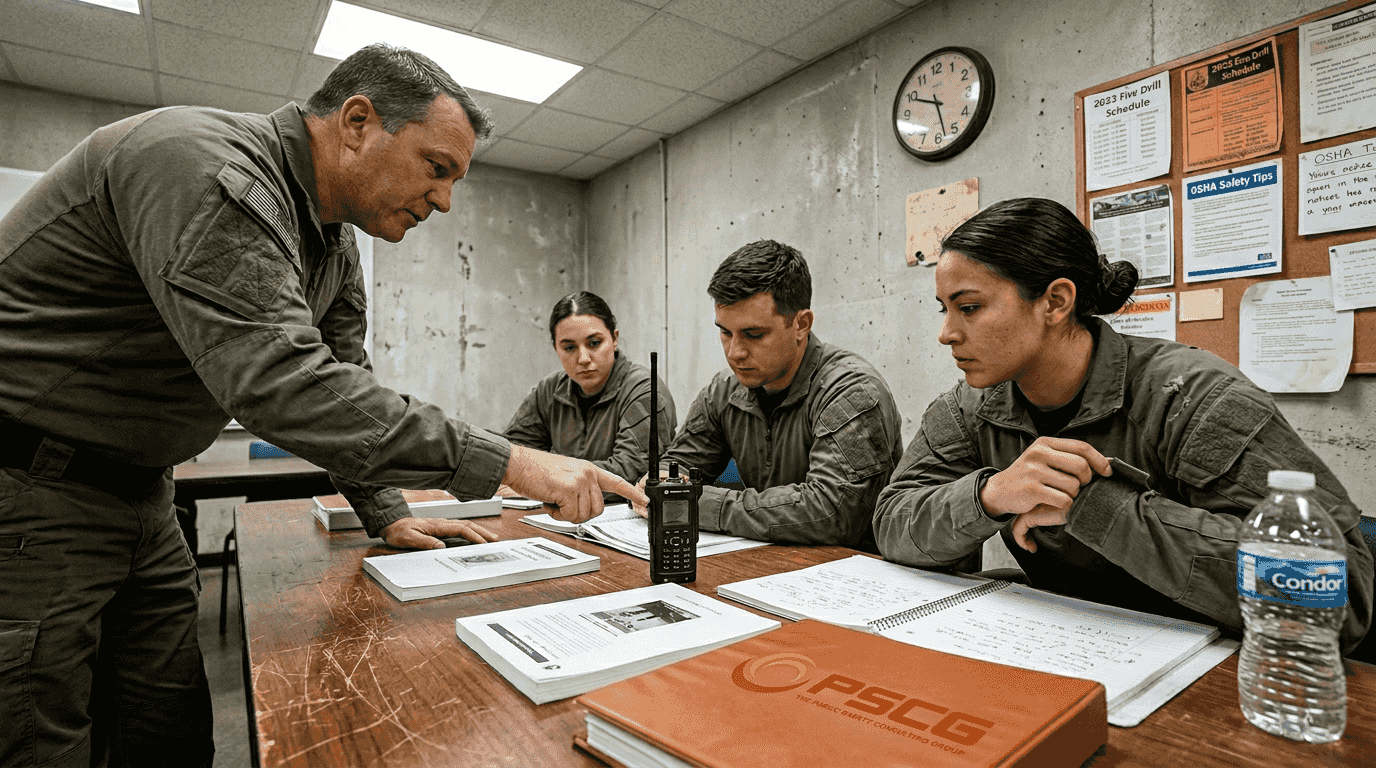
Wellness programs represent another essential component often overlooked in traditional training models. Public safety work generates chronic stress, traumatic exposures, and irregular schedules that impact mental health and job performance. Departments with wellness training saw a 15% decrease in officer-involved shootings and 25% fewer complaints. These programs teach stress management, peer support, and resilience strategies that help personnel maintain emotional regulation during high-pressure encounters. Healthy, balanced responders make better decisions and engage more positively with community members.
De-escalation and implicit bias training directly address community relations and use-of-force concerns. De-escalation training led to a 40% reduction in use-of-force incidents by equipping personnel with verbal techniques, tactical positioning, and patience strategies that resolve conflicts without physical intervention. Implicit bias training builds awareness of unconscious assumptions that influence split-second decisions, promoting fairer, more equitable treatment across all community interactions.
Effective programs incorporate these core training elements:
- Technical skills proficiency in equipment operation, emergency medical procedures, and tactical protocols
- Communication skills for crisis intervention, victim support, and inter-agency coordination
- Legal and ethical decision-making to ensure actions align with constitutional standards and professional values
- Physical fitness and defensive tactics to maintain safety during physical confrontations
- Leadership development for personnel at all levels to build organizational capacity
Pro Tip: Rotate training scenarios across different locations and times of day to build adaptability, since real incidents don’t follow predictable patterns or occur in controlled environments.
Continuous professional development keeps leaders current with evolving challenges, technologies, and best practices. The public safety landscape changes constantly, with new threats, legal standards, and community expectations requiring ongoing adaptation. Best practices for EMS instructors emphasize adult learning principles, hands-on practice, and immediate feedback that accelerate skill acquisition and retention.
| Training Type | Primary Benefit | Implementation Frequency |
|---|---|---|
| Scenario-based exercises | Decision-making under pressure | Quarterly |
| Wellness programs | Stress management and resilience | Monthly |
| De-escalation training | Conflict resolution skills | Bi-annually |
| Technical skills refreshers | Procedure proficiency | Monthly |
| Leadership development | Strategic thinking capacity | Annually |
Public safety strategy tips highlight the importance of aligning training investments with community needs and agency priorities. Generic training programs miss opportunities to address specific local challenges, whether gang violence, opioid overdoses, or natural disaster preparedness. Tailored training demonstrates responsiveness to community concerns while building precisely the capabilities your agency needs most.
The most effective programs blend classroom instruction, hands-on practice, and realistic simulations. This multi-modal approach accommodates different learning styles while reinforcing concepts through varied repetition. Personnel who understand the theory, practice the skills, and apply them in scenarios develop deeper, more durable competency than those who experience only one learning modality.
Implementing and sustaining effective training to enhance community safety
Successful training implementation requires strategic planning, adequate resources, and leadership commitment. Start by conducting a comprehensive needs assessment that identifies capability gaps, community priorities, and emerging threats. This assessment should incorporate incident data, personnel feedback, community input, and expert consultation to ensure training addresses actual needs rather than assumptions.
A blended training approach delivers the most effective learning outcomes:
- Classroom instruction for foundational knowledge, legal standards, and theoretical frameworks
- Hands-on practice for technical skills, equipment operation, and procedure rehearsal
- Simulations and scenarios for decision-making, stress inoculation, and team coordination
- Field training with experienced mentors for real-world application and professional socialization
Regular refresher courses prevent knowledge decay and ensure personnel maintain proficiency in critical skills. Tailored training to community needs and regular refreshers prevent programs from becoming outdated and ineffective. CPR techniques evolve, legal standards change, and tactical best practices improve. Annual or bi-annual refreshers keep everyone current while identifying personnel who need additional support.
Customize training to your community’s specific demographics, crime trends, and environmental conditions. Urban agencies face different challenges than rural departments. Communities with large immigrant populations benefit from cultural competency training. Areas prone to natural disasters need specialized emergency management preparation. Generic, off-the-shelf training misses these nuances that determine real-world effectiveness.
Data-driven assessment enables continuous improvement and adaptation to new threats:
- Track training participation, completion rates, and skill assessment scores
- Analyze incident outcomes to identify performance patterns and improvement opportunities
- Collect personnel feedback about training relevance, quality, and applicability
- Monitor community feedback and complaint trends for indicators of training effectiveness
- Benchmark against peer agencies and national standards to identify gaps
The FBI National Academy demonstrates how blended classroom and practical exercises build resilience and leadership capacity. This prestigious program combines academic rigor with physical challenges and networking opportunities that develop well-rounded leaders capable of navigating complex organizational and operational challenges.
Leadership development deserves special emphasis because leaders champion and sustain training culture. Strategic planning for public safety readiness includes succession planning that identifies and develops future leaders through mentoring, advanced training, and progressive responsibility. Organizations with strong leadership pipelines maintain institutional knowledge and training commitment across leadership transitions.
Common implementation pitfalls to avoid include treating training as a one-time event rather than an ongoing process, failing to allocate sufficient time for meaningful practice, relying exclusively on external vendors without building internal capacity, and neglecting to evaluate training effectiveness through outcome measurement. Each mistake undermines the substantial investment training represents.
Sustainability requires embedding training into organizational culture and budget priorities. Agencies that view training as discretionary cut it first during budget pressures, creating capability gaps that take years to rebuild. Public safety definition and impact frameworks emphasize prevention and preparedness as core functions, not optional enhancements. Training enables both, making it essential infrastructure rather than a luxury.
Partner with regional training centers, professional associations, and peer agencies to share resources and expertise. Collaborative training reduces costs while exposing personnel to different perspectives and approaches. Multi-agency exercises also improve the coordination essential for major incidents requiring mutual aid and unified command.
Enhance your public safety training programs with expert consulting
Transforming training from a compliance exercise into a strategic advantage requires expertise, resources, and sustained commitment. The Public Safety Consulting Group partners with agencies to design, implement, and continuously improve training programs that enhance operational readiness and community trust. Our consultants bring decades of public safety experience and evidence-based practices to help you maximize training effectiveness while managing risks and budget constraints.
Strategic planning for public safety readiness starts with understanding your community’s unique needs and your agency’s current capabilities. We conduct comprehensive assessments, develop tailored training curricula, and provide implementation support that ensures programs deliver measurable results. Best practices for EMS instructors and leadership development create internal capacity for sustained excellence. Explore public safety strategy tips to discover how professional consulting elevates your agency’s training programs and operational performance.
Frequently asked questions
What makes training realism important but challenging to balance with safety?
Training realism prepares personnel effectively but introduces risks that require careful management. Realistic scenarios build the muscle memory and decision-making skills needed during actual emergencies, where conditions are chaotic and stakes are high. However, live-fire exercises, high-speed pursuits, and physical confrontations can cause injuries or fatalities if safety protocols fail. Leadership must continuously calibrate training intensity, ensuring personnel gain essential experience without unnecessary danger.
How can leaders ensure training programs adapt to evolving public safety challenges?
Use data-driven assessments to identify gaps between current capabilities and emerging threats. Analyze incident reports, community feedback, and crime trends to understand where training enhancements would deliver the greatest impact. Customize programs to local realities rather than relying on generic curricula. Invest in regular refresher courses and strategic planning for readiness that anticipates future challenges. Continuous evaluation and adaptation keep training relevant as threats, technologies, and community expectations evolve.
Does de-escalation training reduce use-of-force incidents effectively?
Research shows mixed results. While some studies demonstrate significant reductions, de-escalation training improves intermediary behaviors like verbal communication and tactical positioning without conclusively reducing use-of-force incidents. Multiple factors influence force outcomes, including suspect behavior, situational dynamics, and organizational culture. De-escalation training remains valuable for building conflict resolution skills and community trust, even if direct force reduction isn’t guaranteed. Combine it with wellness programs, supervision, and accountability systems for comprehensive reform.
Why do wellness programs improve operational outcomes beyond personnel health?
Wellness programs reduce stress and burnout that impair judgment during critical incidents. Personnel experiencing chronic stress, sleep deprivation, or unresolved trauma make poorer decisions, react more aggressively, and struggle with emotional regulation. Wellness training teaches coping strategies, peer support, and resilience skills that maintain psychological health under demanding conditions. Healthier personnel engage more positively with community members, show greater patience during conflicts, and demonstrate better judgment during high-pressure encounters, translating to fewer complaints and improved outcomes.
How often should agencies conduct scenario-based training exercises?
Quarterly scenario-based exercises maintain proficiency while accommodating operational demands and budget constraints. Monthly technical skills practice reinforces specific procedures, while quarterly scenarios integrate multiple competencies in realistic contexts. High-risk specialties like tactical teams or hazmat response may require monthly scenarios. Vary scenario complexity, locations, and conditions to build adaptability. Annual large-scale exercises involving multiple agencies test coordination and unified command. Balance frequency with quality, ensuring each exercise includes thorough preparation, realistic execution, and comprehensive after-action review.
Recommended
- What is public safety leadership: strategies for 2026 – The Public Safety Consulting Group
- Public safety strategy tips for municipalities in 2026 – The Public Safety Consulting Group
- Master public safety crisis communication workflow in 2026 – The Public Safety Consulting Group
- Optimize public safety communication systems in 2026 – The Public Safety Consulting Group